
How to Fix a Circuit Breaker Without Losing Your Cool
What to Do When You Need to Fix a Circuit Breaker
Knowing how to fix circuit breaker problems is easier than most people think. Here's the quick answer:
Turn off lights and unplug appliances in the affected area
Find your breaker panel (usually in a garage, basement, or hallway)
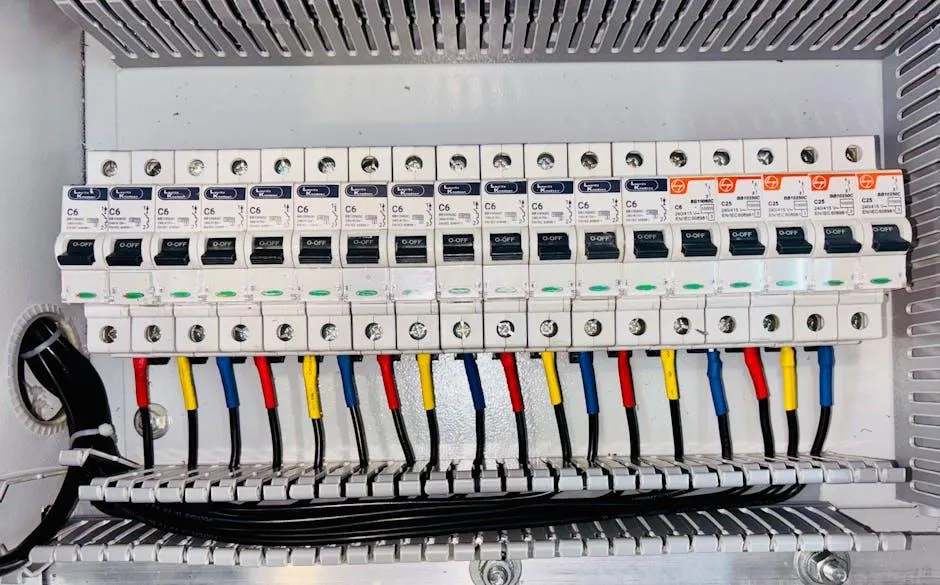
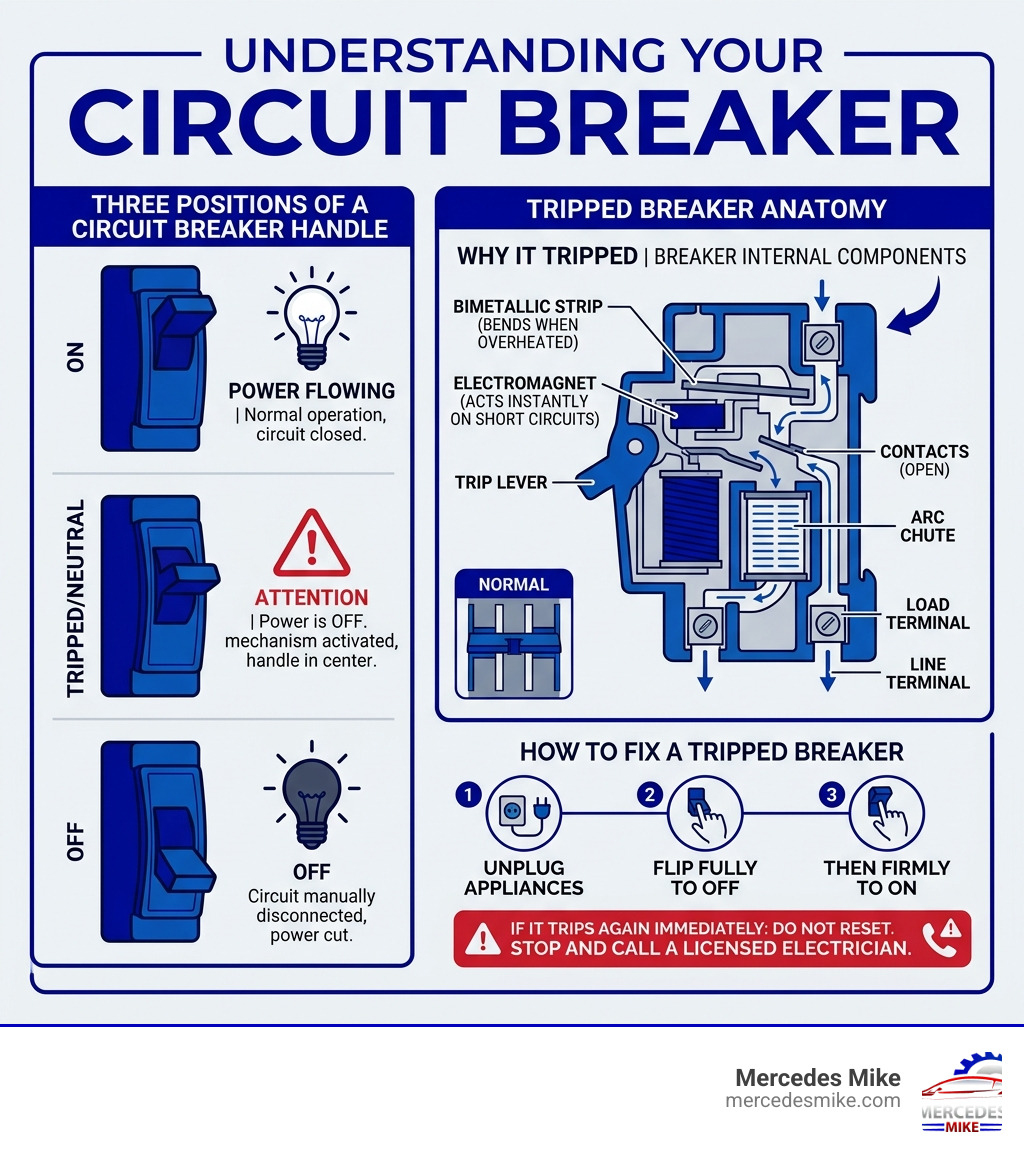
Locate the tripped breaker — it will be in the OFF position or stuck in the middle
Flip it fully to OFF, then firmly back to ON
Restore devices one at a time to avoid overloading the circuit again
If the breaker trips again immediately, or you notice burning smells, buzzing, or scorch marks — stop and call a licensed electrician.
Your morning is going fine. Then you plug in the hair dryer and — click — total darkness. Sound familiar?
A tripped breaker is one of the most common electrical issues homeowners face. The good news: most trips are simple fixes you can handle in under five minutes, with no tools and no electrician needed.
Circuit breakers are actually designed to be reset by you. They trip on purpose — cutting power before wires overheat or something worse happens. Think of them as your home's built-in safety valve.
But not every trip is the same. Some are minor nuisances. Others are warning signs of something deeper going on inside your walls.
This guide walks you through exactly how to fix the problem safely — and how to know when it's time to hand it off to a pro.
Understanding Why Breakers Trip
To effectively fix circuit breaker issues, we first have to understand the "why" behind the "click." In our experience at Mercedes Mike, whether we are looking at a high-performance engine in Pompano Beach or a residential electrical panel, systems are designed with safety thresholds for a reason.
A circuit breaker is essentially a gatekeeper. Its job is to monitor the flow of electricity (measured in Amps) through your home's wiring. Every circuit has a specific amp capacity. If the flow exceeds that capacity, the breaker "trips" to prevent the wires from melting or catching fire.
There are three primary reasons a breaker will shut down:
Circuit Overload: This is the most common cause. It happens when you try to draw more power than the circuit can handle—like running a space heater, a vacuum, and a microwave all on the same 15-amp kitchen circuit.
Short Circuit: This is more serious. It occurs when a "hot" wire touches a "neutral" wire. This causes an immediate, massive surge of electricity. This is often caused by damaged wiring inside your walls or a faulty appliance cord.
Ground Fault: Similar to a short circuit, this happens when the hot wire touches a ground wire or the side of a metal box. In wet areas like bathrooms or kitchens, these are common and dangerous, which is why we use GFCI (Ground Fault Circuit Interrupter) outlets.
Much like The Most Common Problems with German Cars and How to Prevent Them, electrical issues in your home are often symptoms of an underlying imbalance. If your home's electrical system feels overwhelmed, it might be time for Electrical System Diagnostics to ensure your wiring isn't aging faster than it should.
How to Safely Fix Circuit Breaker Trips
When the lights go out, your first instinct might be to rush to the panel and start flipping switches. However, safety is paramount. We deal with complex electrical systems every day in Pompano Beach, and we always follow strict protocols. You should too.
Step 1: Preparation
Before you touch the panel, head to the room where the power went out. Turn off all light switches and unplug the major appliances that were running. This prevents a "surge" from happening the moment you reset the breaker, which could cause it to trip again instantly.
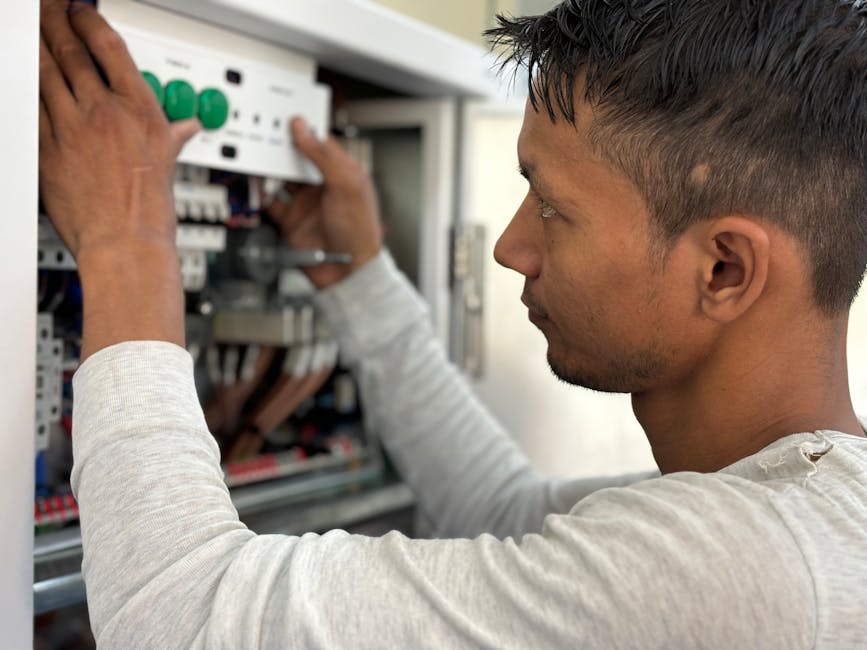
Step 2: Locate the Panel
Most electrical panels in South Florida are located in the garage, a utility closet, or on an exterior wall near the electric meter. If it’s dark, use a flashlight. Never try to fix circuit breaker issues by feeling around in the dark.
Step 3: Identify the Tripped Breaker
Open the panel door. You will see rows of switches. A tripped breaker usually stands out in one of three ways:
It is moved fully to the "OFF" position.
It is stuck in a "Neutral" middle position (this is the most common).
It shows an orange flag or red indicator in a small window on the breaker itself.
Step 4: The Reset Sequence
This is where people often go wrong. You cannot just flip a tripped breaker back to "ON."
Flip it to "OFF" first: You must move the switch firmly to the full OFF position. You should hear a distinct click.
Flip it to "ON": Once it is fully OFF, flip it back to the ON position.
Safety Tips for Electrical Maintenance
The One-Hand Rule: Always use only one hand to touch the breaker. Keep your other hand by your side or in your pocket. This prevents an electrical current from passing through your chest in the rare event of a malfunction.
Dry Surfaces: Ensure your hands are bone-dry and you are not standing in any water. If the floor is damp, lay down a dry rubber mat or wooden board.
Stand to the Side: When flipping the switch, stand to the side of the panel rather than directly in front of it. This protects your face and body from potential arcing.
For more advanced safety protocols, we recommend checking out our Safety Tips for Electrical Maintenance.
Troubleshooting to Fix Circuit Breaker Overloads
If you fix circuit breaker trips only to have them happen again an hour later, you likely have a load distribution problem. Modern life in 2026 involves more high-amp devices than ever—electric vehicle chargers, high-end gaming PCs, and advanced kitchen gadgets all pull significant power.
Common Culprits:
Space Heaters: These are notorious for pulling 12-15 amps on their own.
Hair Dryers & Curling Irons: High heat equals high energy.
Toasters and Air Fryers: These draw massive amounts of current for short periods.
To prevent future trips, you should practice "circuit mapping." This simply means knowing which outlets are connected to which breakers. Once you know the map, you can distribute your high-load appliances across different circuits. If your kitchen keeps tripping, try moving the coffee maker to a different wall that might be on a separate circuit.
If your home is older, it may simply lack the amp capacity for modern living. Just as we provide Our Services to upgrade car components for better performance, an electrician can upgrade your panel to handle 200 amps or more, providing the headroom you need for new appliances.
When You Can't Fix Circuit Breaker Issues Yourself
There are times when a DIY reset isn't enough. If you've followed the steps and the power won't stay on, or if you notice any of the following, it’s time to call in the professionals:
The Main Breaker Trips: The main breaker is the large switch at the top of the panel that controls power to the entire house. If this trips, it could indicate a serious surge, a lightning strike, or a problem with the utility line.
Scorched Bus Bars: If you see black soot or scorch marks behind the breakers, the panel's internal "bus bar" is damaged. This is a major fire hazard.
Persistent Short Circuits: If a breaker trips the millisecond you flip it to ON (even with everything unplugged), you have a short circuit in the wiring. This requires Professional Electrical Inspections to locate the fault behind your walls.
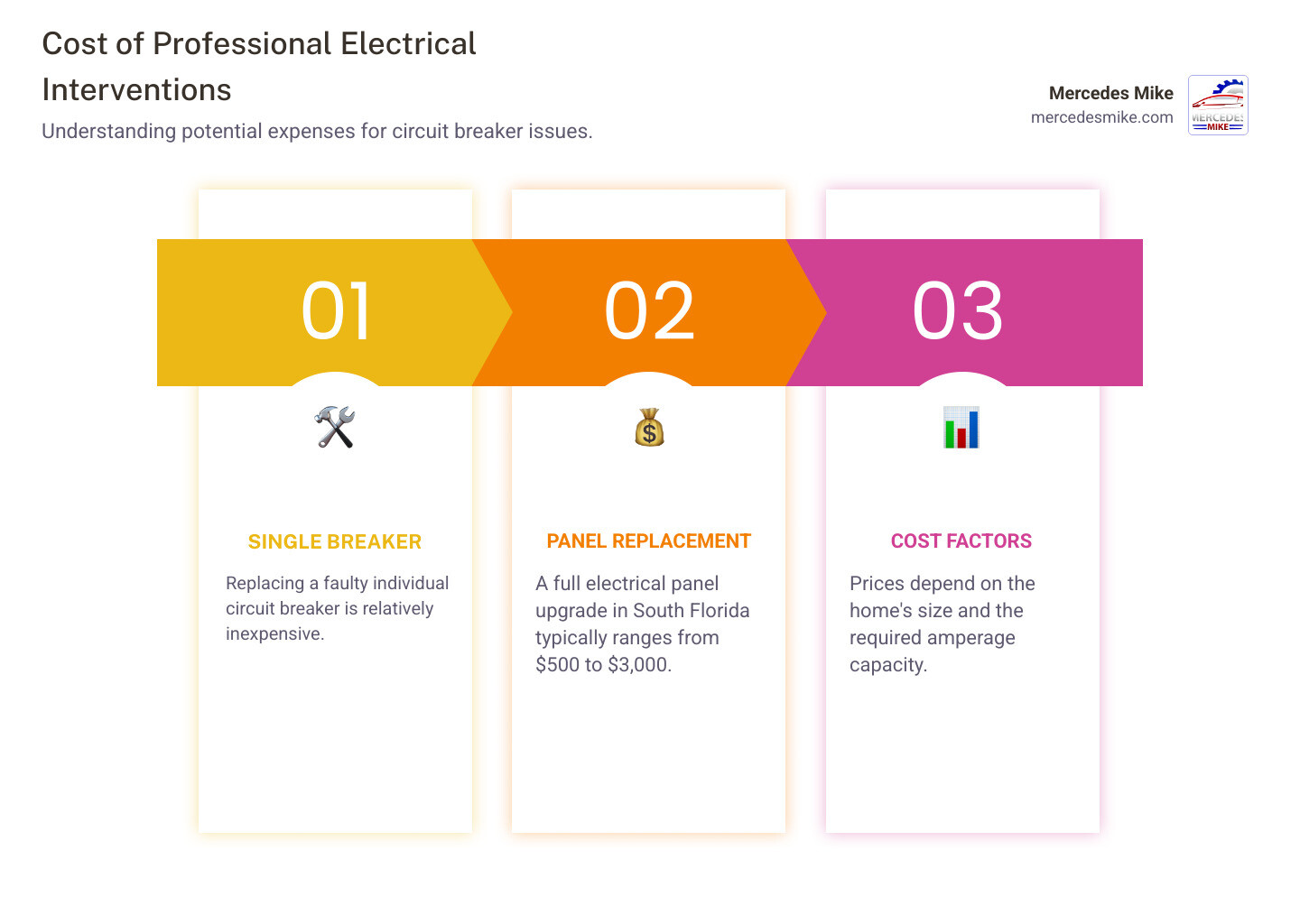
Cost of Professional Intervention Replacing a single faulty breaker is relatively inexpensive, but if your entire panel is outdated or damaged, a full replacement in the South Florida area typically ranges from $500 to $3,000. This depends on the size of the home and the amperage required.
Identifying a Faulty Breaker vs. a Tripped One
Sometimes, the breaker itself is the problem. While circuit breakers are designed to last decades—typically a 25 to 30-year lifespan—they are mechanical devices that eventually wear out.
How do you know if the hardware has failed?
The "Wiggle" Test: If the breaker handle feels loose, "squishy," or won't click firmly into place, the internal spring mechanism has likely failed.
Burning Smell: If the panel smells like ozone or burnt plastic, the breaker is overheating.
Buzzing Sounds: A healthy breaker is silent. If you hear a hum or a crackle, it’s a sign of electrical arcing.
Heat Buildup: If the breaker is hot to the touch (not just warm, but uncomfortable to hold your finger on), it needs immediate replacement.
Tripped vs. Broken: Quick Comparison
Feature Tripped Breaker Faulty/Broken Breaker Handle Position Middle or OFF Loose or won't stay in ON Smell None Burnt plastic or ozone Sound Silent Buzzing or humming Reset Result Stays ON (if load is reduced) Trips immediately or won't click Physical Sign Orange flag (sometimes) Scorching or discoloration
If you suspect your components are failing, refer to our guide on Signs of Electrical Component Failure.
Signs You Need to Fix Circuit Breaker Hardware
In Pompano Beach and Deerfield Beach, the humidity and salt air can be brutal on metal components. Corrosion and rust are common enemies of electrical panels in our region. If you open your panel and see white powdery residue or orange rust on the breakers, the integrity of the connection is compromised.
Weak internal springs are another common issue. After 20+ years of service, the spring that holds the contact closed can weaken, leading to "nuisance tripping"—trips that happen even when there is no overload. In these cases, you aren't just trying to fix circuit breaker settings; you are replacing the hardware.
We always suggest Expert Maintenance and Repair for hardware issues. Working inside a live panel is dangerous because the main bus bars remain energized even if the individual breakers are off.
Frequently Asked Questions about Circuit Breakers
Why does my breaker trip immediately after resetting?
If you flip the switch to ON and it instantly snaps back to the middle or OFF, you likely have a short circuit or a ground fault. This means electricity is flowing directly to the ground or another wire without any resistance. It could also be a "dead short" in a plugged-in appliance. Unplug everything on that circuit and try again. If it still trips, the problem is in the permanent wiring or the breaker itself.
How many times can a breaker trip before it goes bad?
Circuit breakers are surprisingly durable. Most are rated to trip thousands of times under normal overload conditions. However, every trip involves a small amount of internal heat and mechanical wear. If a breaker trips multiple times a day for weeks, it will eventually lose its "calibration" and become too sensitive, requiring replacement.
Is it dangerous to reset a breaker with the power on?
It is generally safe for a homeowner to reset a breaker, as they are designed for manual operation. However, there is always a small risk of an "arc flash" if the breaker is faulty. This is why we emphasize standing to the side, wearing safety glasses if you have them, and ensuring your hands are dry. If you see sparks or smoke when you attempt to fix circuit breaker positions, stop immediately.
Tips to Prevent Future Tripping
Spread the Load: Don't plug two high-wattage appliances (like a toaster and a microwave) into the same outlet.
Use Surge Protectors: For sensitive electronics like computers and TVs, use high-quality surge protectors to prevent minor fluctuations from tripping the breaker.
Label Your Panel: Use a permanent marker to clearly label which breaker controls which room. This makes troubleshooting much faster.
Annual Inspections: Especially in older South Florida homes, have an electrician tighten the terminal screws in your panel once a year. Loose wires create heat, and heat trips breakers.
Conclusion
At Mercedes Mike, we know that whether you're dealing with a tripped breaker in your Pompano Beach home or a complex wiring harness in a Mercedes-Benz, electrical health is all about balance and maintenance. Most of the time, you can fix circuit breaker issues yourself just by being patient and following safety protocols.
However, your electrical panel is the heart of your home's safety. If it’s buzzing, smelling, or simply too old to keep up with your modern lifestyle, don't take risks. Our team of expert technicians understands the importance of precision and safety in every repair.
If you're in Pompano Beach, Deerfield Beach, or anywhere in South Florida and need help with your German car's electrical systems or general maintenance, visit us at Mercedes Mike Home. We bring decades of experience and the latest tools to ensure every system—automotive or otherwise—runs exactly as it should.
How to Reset Circuit Breakers | Help Center | SCE How to Fix a Circuit Breaker That Keeps Tripping - CircuitFixer How to Reset a Circuit Breaker How to Replace a Circuit Breaker How to Reset a Circuit Breaker How to Reset a Circuit Breaker in 5 Steps Circuit Repair Pompano Beach, FL | Mister Sparky Electrical Repairs in Deerfield Beach - Corley Electric Breaker above main disconnect - Page 2 - Electrical Inspections Circuit Breaker Installation Specialists In Indianapolis