
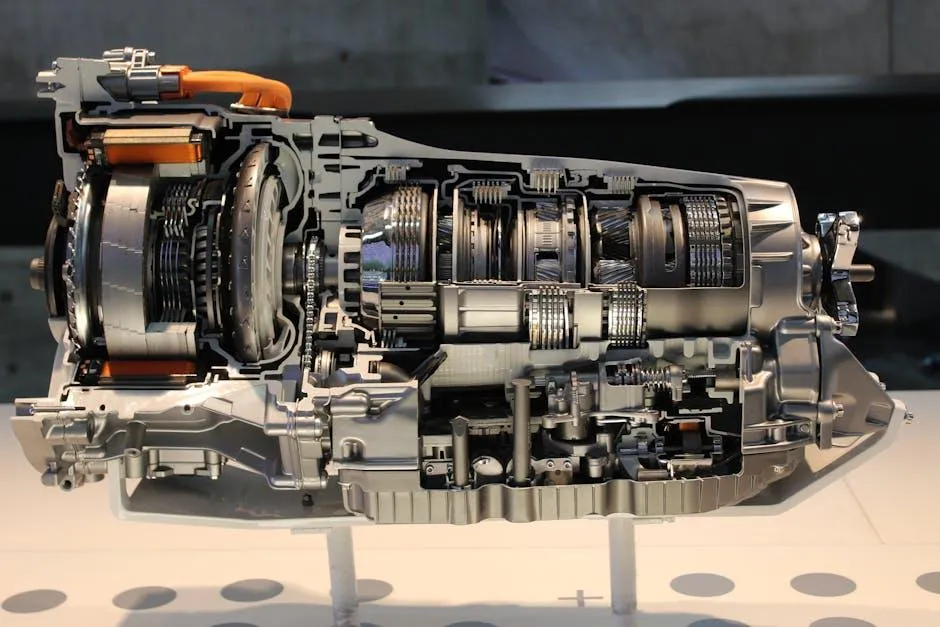
How to Replace Transmission on a Budget
Transmission Replacement: What It Costs and Whether It's Worth It
Transmission replacement is one of the most expensive repairs a car owner can face — but knowing your options can save you thousands.
Here's a quick breakdown before we dive in:
Option Typical Total Cost Best For Transmission repair $800 – $3,000 Minor damage (seals, solenoids) Rebuild (local shop) $1,500 – $4,000 Moderate damage, budget-conscious Remanufactured replacement $2,900 – $7,100 Severe damage, reliability priority New transmission $5,000 – $10,000+ Rarely needed outside new vehicles
Labor alone runs 6 to 10 hours for an automatic transmission — adding $420 to $1,500+ depending on your shop's hourly rate.
For owners of German luxury vehicles like Mercedes-Benz or BMW, those numbers can climb even higher. Complex transmissions like CVTs and dual-clutch units can cost double to replace compared to a standard automatic, thanks to tighter tolerances and more sophisticated electronics.
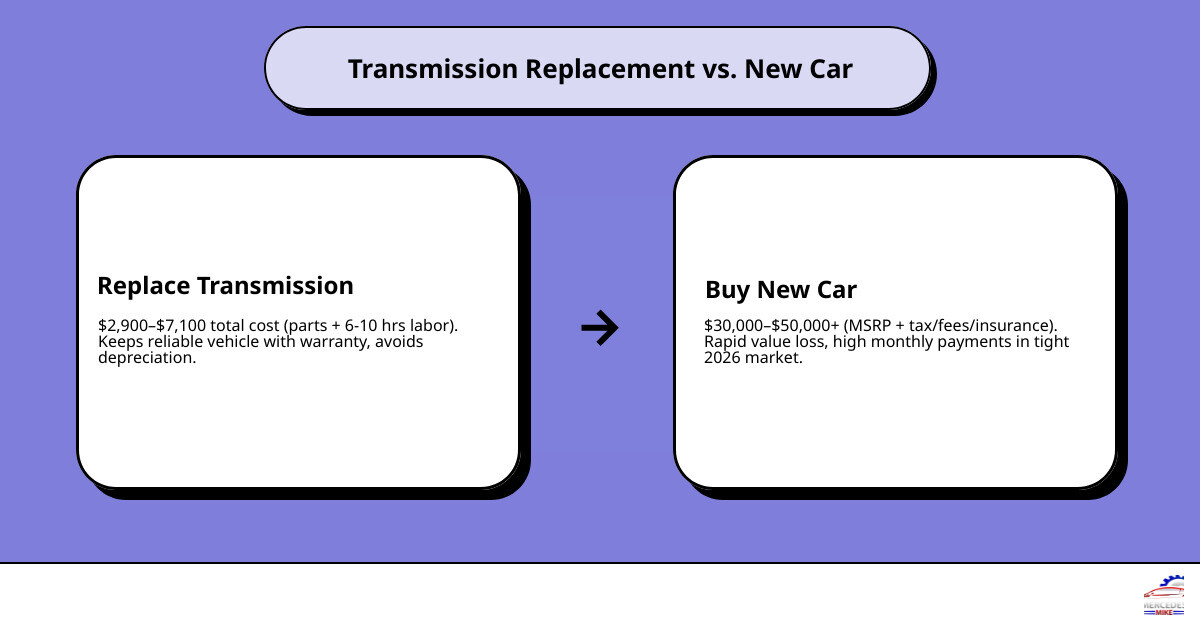
The big question most people ask is: should I fix the car or just buy a new one? In 2026, with average new car prices still elevated and used vehicle inventory tight, the math usually favors keeping what you have — if the repair is done right and at the right price.
This guide walks you through everything: what replacement actually costs, how to spot a failing transmission early, how to do it yourself on a budget, and when it makes more sense to hand the keys to a professional.
Understanding Transmission Replacement Costs and Options
When we talk about a transmission replacement, we aren't always talking about a brand-new unit straight from the factory. In fact, brand-new transmissions are typically reserved for vehicles still under a manufacturer warranty. For the rest of us in South Florida, the choice usually comes down to a used unit, a local rebuild, or a remanufactured assembly.
The costs vary wildly based on what is sitting under your hood. A manual transmission is the "budget king," with parts usually ranging from $1,500 to $4,000. Automatic transmissions are far more complex, often containing twice as many parts as their manual counterparts, which pushes parts-only pricing into the $2,500 to $6,000+ range.
Then there is the CVT (Continuously Variable Transmission). While efficient, these are notoriously complex to repair. Often, a CVT cannot be "fixed" in the traditional sense; it requires a full replacement, which can easily double your expected budget due to manufacturing complexity.
Factors Influencing Total Estimates
Several variables will dictate whether your quote looks like a small speed bump or a mountain:
Vehicle Make and Model: Luxury German brands like Mercedes, BMW, and Audi require specialized diagnostic tools and higher-grade fluids.
Transmission Type: As mentioned, CVTs and dual-clutch systems (like the DSG found in many Audis) are more labor-intensive.
Geographic Location: Labor rates in Pompano Beach and the surrounding South Florida area generally range from $70 to $150+ per hour.
Model Year: Newer vehicles often require complex software "flashing" or coding to marry the new transmission to the engine's computer.
Choosing Remanufactured over New
For the best balance of cost and reliability, we often recommend remanufactured units. Unlike a "rebuilt" transmission—where a mechanic replaces only the broken bits—a remanufactured unit is completely disassembled, cleaned, and updated to meet or exceed original factory standards.
High-quality options like the All Trans Remanufactured Automatic Transmission Assembly A212003 | AutoZone or the All Transmission Parts Remanufactured Automatic Transmission Assembly A132116 | AutoZone often come with 3-year warranties, giving you peace of mind that a used junkyard unit simply can't offer.
Common Signs You Need a Transmission Replacement
Your car usually tries to tell you it’s unhappy long before it leaves you stranded on I-95. Recognizing these signs early might save you from a total transmission replacement and allow for a simpler repair.
Slipping Gears: If your engine revs up but the car doesn't speed up, or if it suddenly pops out of gear while driving, your clutches or bands are likely worn out.
Rough or Delayed Shifting: A "clunk" when putting the car in Drive or a long pause before the gear engages are classic red flags.
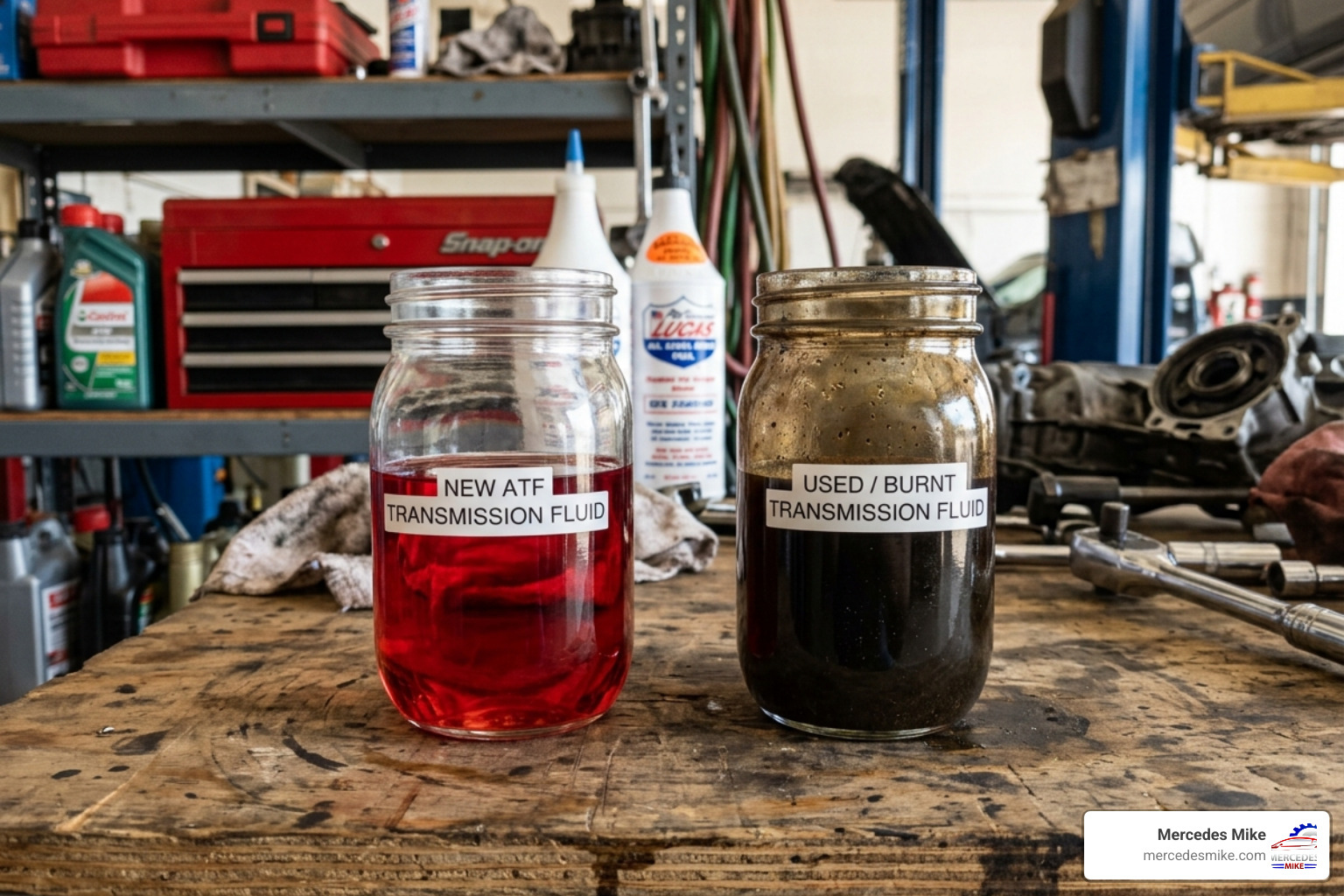
The "Burning" Smell: Transmission fluid is usually red and smells slightly sweet. If it smells like burnt toast, it means the fluid is overheating and failing to lubricate the internal components.
Fluid Leaks: If you see red or green puddles on your driveway in Deerfield Beach, get it checked immediately. Low fluid is the #1 killer of transmissions.
Strange Noises: Grinding is common in failing manuals, while automatics might whine or buzz.
Check Engine Light: Modern cars have sensors monitoring everything. A transmission-specific code (P0700 series) is a direct cry for help.
For those driving European imports, check out our guide on The Most Common Problems with German Cars and How to Prevent Them to see how these symptoms manifest in high-performance systems.
Diagnostic Steps for Failure
Before pulling the trigger on a replacement, we perform a series of tests:
OBD-II Scanning: We check the computer for stored error codes.
Fluid Inspection: We look for "glitter" (metal shavings) in the fluid, which indicates internal components are grinding themselves away.
Road Testing: Feeling how the car behaves under load.
Pressure Checks: Testing the hydraulic pump's ability to move fluid through the system.
When Repair is No Longer Cost-Effective
We generally follow the "50% Rule." If the cost of a repair (like a valve body or solenoid pack) exceeds half the cost of a full transmission replacement, it’s usually smarter to go with the replacement. This is especially true for high-mileage vehicles where fixing one seal today might just lead to a different failure two months from now.
DIY Guide: How to Replace a Transmission on a Budget
Replacing a transmission is widely considered one of the most difficult DIY tasks. It requires patience, physical strength (transmissions weigh 100 to 400 lbs!), and a specific set of tools. If you’re brave enough to tackle this in your garage, here is how to stay on budget.
Essential Tools and Preparation
You can't do this with a basic screwdriver set. You will need:
A dedicated transmission jack (don't try to balance 300 lbs on a standard floor jack).
High-quality jack stands (safety is paramount).
A full socket set with long extensions and swivel joints (bellhousing bolts are notoriously hard to reach).
A large drain pan and plenty of shop rags.
Parts to buy: The transmission assembly, a new torque converter (usually included with reman units), a transmission mount, and the correct fluid (like Dexron VI).
Step-by-Step Installation Process
Based on professional standards and guides like How to Replace a Transmission, here is the high-level workflow:
Preparation: Disconnect the negative battery cable. Raise the vehicle high enough to slide the transmission out from underneath.
Drainage: Drain the old fluid. This makes the unit lighter and less messy.
Disconnection: Remove the driveshaft (mark its position first to avoid vibrations later!). Unplug all electrical connectors, cooling lines, and shift linkages.
Support: Support the engine with a jack and wood block. Remove the transmission crossmember.
The Big Pull: Unbolt the bellhousing from the engine. Carefully slide the transmission back and lower it using your transmission jack.
Torque Converter Prep: Before installing the new unit, pour about a quart of fresh fluid into the new torque converter. Slide it onto the transmission input shaft, spinning it until you feel three distinct "thunks". This ensures it is fully seated. If it isn't seated properly, you will destroy the pump the moment you start the engine.
Installation: Line up the new unit with the engine's dowel pins. Bolt it in, reconnect all lines and wires, and refill with the manufacturer-recommended fluid.
Pro Tip: Always flush your transmission cooler lines before installing a new unit. If you don't, old metal shavings from your failed transmission will wash straight into your new one, instantly voiding your warranty.
Repairing vs. Buying New in 2026
In April 2026, the automotive market remains a challenge for buyers. New car prices have seen record-breaking increases, with many consumers still paying at or above MSRP. When you add in a 10% sales tax (which can add $4,700 to a $47,000 car) and high registration fees, that "cheap" new car suddenly looks very expensive.
The Economics of Keeping Your Current Vehicle
Let’s look at the numbers. A transmission replacement might cost you $4,000 to $6,000. While that sounds like a lot, it is roughly equal to just 6 to 10 months of payments on a new vehicle.
Furthermore, vehicles lose about 40% of their value within the first five years. By repairing your current car, you avoid that steep depreciation curve. Also, if you try to trade in a car with a blown transmission, the dealership will deduct the full cost of the repair from your trade-in value anyway. You’re paying for the transmission one way or the other—you might as well be the one who gets to drive the car afterward!
Maintenance Tips to Prevent Future Failure
The best way to save money on a transmission is to never have to replace it.
Fluid Flushes: Every 40,000 to 60,000 miles, have your fluid and filter changed. A $200 service is much cheaper than a $5,000 replacement.
Cooling System: Your transmission relies on the radiator to stay cool. If your car is overheating, your transmission is suffering too.
Driving Habits: Avoid "rocking" the car between Drive and Reverse when stuck in sand or mud. Always come to a complete stop before shifting.
Frequently Asked Questions about Transmission Replacement
How long does a transmission replacement take?
For a professional shop, the labor time is typically 6 to 10 hours. However, this doesn't mean you'll get your car back the same day. Sourcing the part, scheduling, and post-installation testing usually means your car will be in the shop for 3 to 5 business days. For a DIYer, expect to spend a full weekend (or two) on the project.
Is it cheaper to rebuild or perform a transmission replacement?
A local rebuild is often slightly cheaper upfront because you aren't paying for a whole new casing or shipping. However, a remanufactured replacement is often the better "budget" choice in the long run. Why? Because remanufactured units are built in controlled factory environments and usually come with much stronger nationwide warranties.
Can I drive with a failing transmission?
We strongly advise against it. Once a transmission starts slipping, it generates immense heat. This heat can cause the unit to seize, potentially locking your wheels while you're driving or causing further damage to your engine and drivetrain. If you’re stuck in "Limp Mode" (where the car stays in one gear to protect itself), drive it only as far as the nearest repair shop or call a tow truck.
Conclusion
At Mercedes Mike, we know that facing a transmission replacement can be stressful. Whether you are driving a precision-engineered Porsche or a reliable family BMW, our goal is to get you back on the road without breaking the bank.
Based in Pompano Beach and serving the greater South Florida area, our technicians bring decades of experience to every job. We use the latest diagnostic tools to ensure we aren't just swapping parts, but actually solving the underlying issue. While DIY can save you money on labor, the complexity of modern German transmissions often benefits from professional calibration and installation to ensure the 3-year warranty remains valid.
Don't let a shifting issue turn into a total breakdown. More info about transmission services is just a click away, or visit us at our N Dixie Hwy location for a transparent, expert assessment of your vehicle's health.