
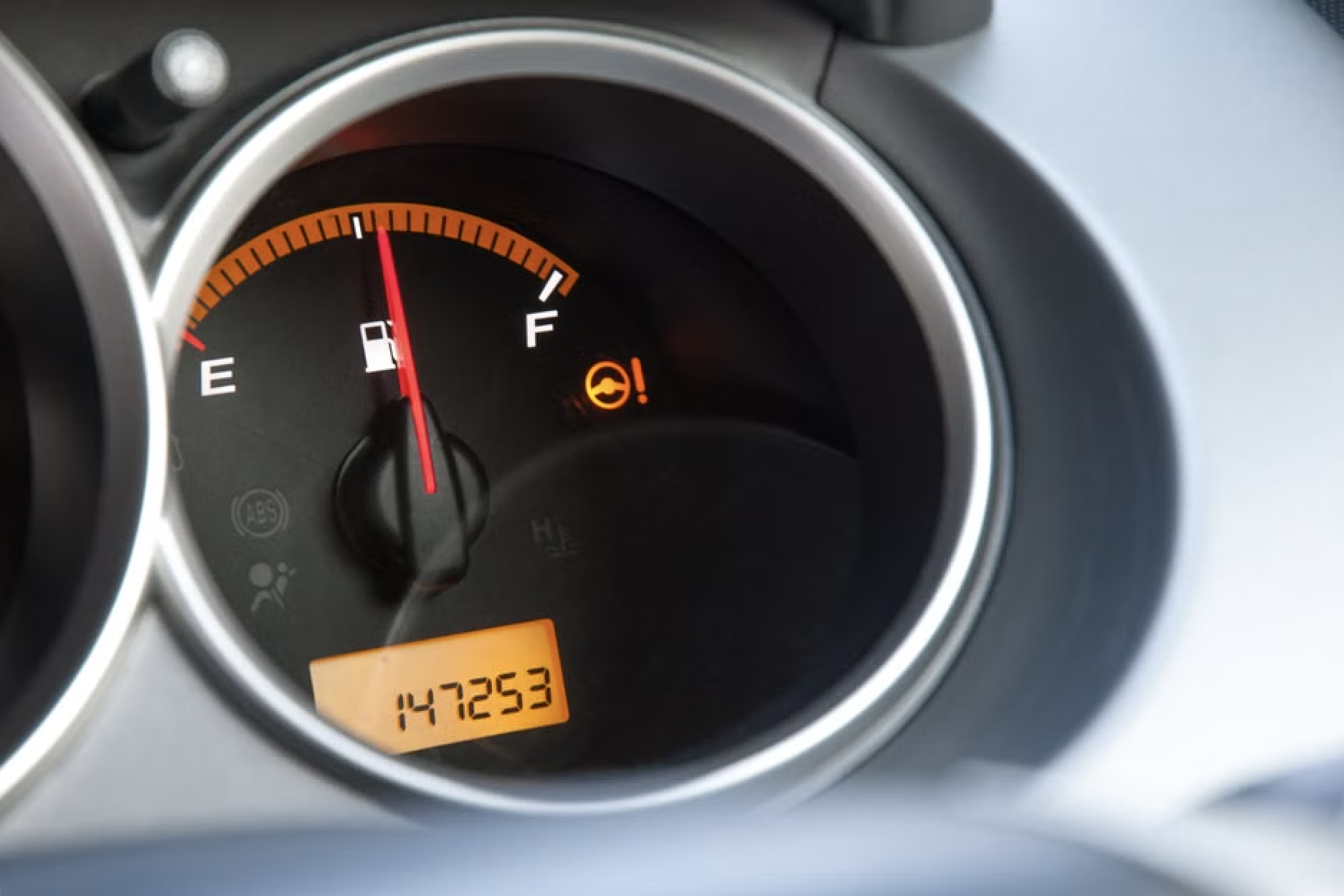
100,000-Mile Car Maintenance: Don't Let Your Vehicle Retire Early
What You Need to Know About 100,000-Mile Maintenance at a Glance
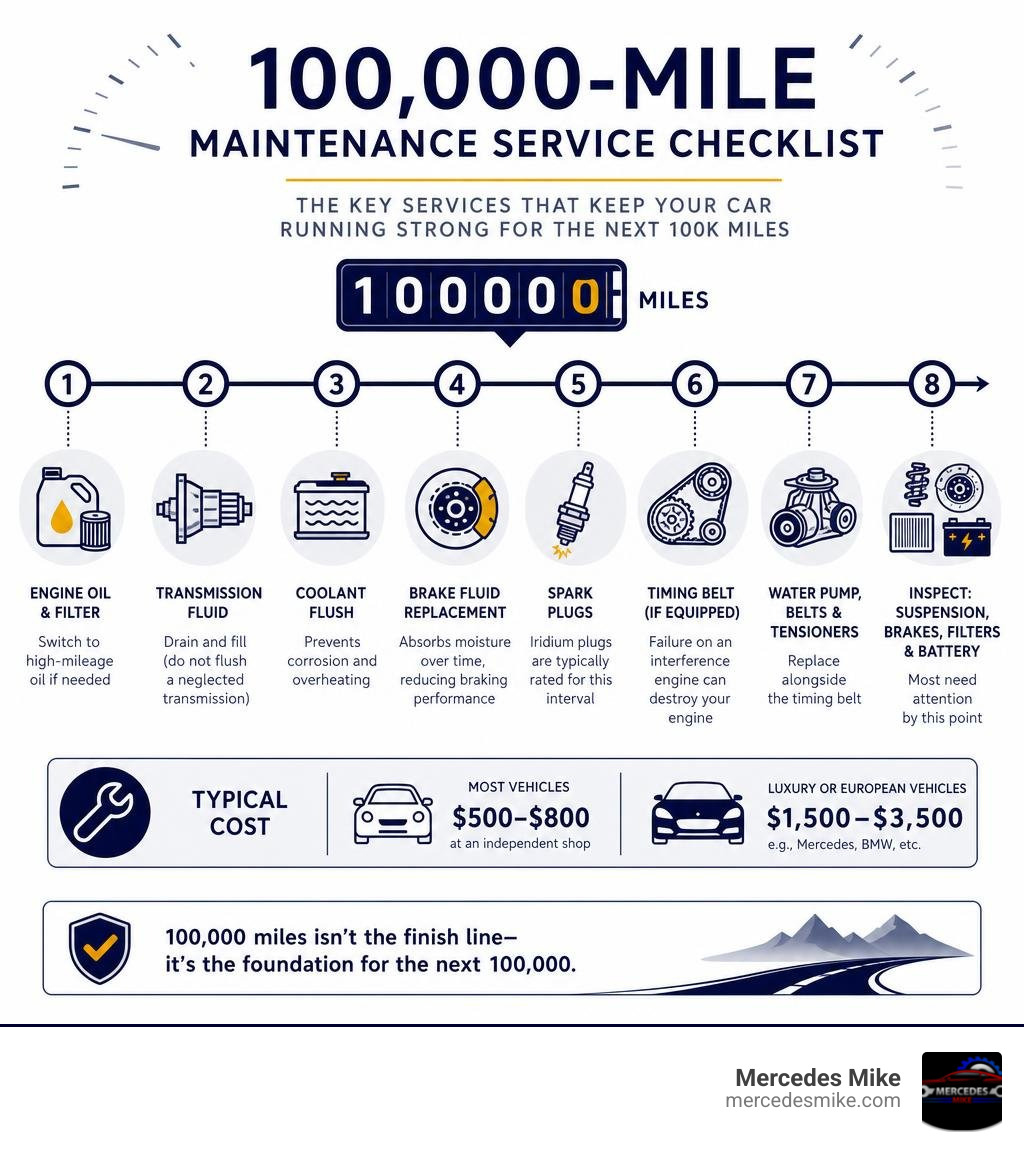
100,000 mile maintenance is a major service milestone where several critical vehicle components reach the end of their designed service life at the same time. Here is what needs attention:
Required services at 100k miles:
Engine oil and filter - switch to high-mileage oil if needed
Transmission fluid - drain and fill (do not flush a neglected transmission)
Coolant flush - prevents corrosion and overheating
Brake fluid replacement - absorbs moisture over time, reducing braking performance
Spark plugs - iridium plugs are typically rated for exactly this interval
Timing belt (if equipped) - failure on an interference engine can destroy your engine
Water pump, serpentine belt, and tensioners - replace alongside the timing belt
Suspension, brakes, filters, and battery inspection - most need attention by this point
Typical cost: $500–$800 at an independent shop for most vehicles; $1,500–$3,500 for luxury or European vehicles like Mercedes and BMW.
Hitting six figures on the odometer used to feel like a death sentence for a car. Today, it is closer to the halfway point — if you take care of what needs doing.
Modern vehicles, especially well-built German cars, are fully capable of reaching 200,000 miles and beyond. But that only happens if you treat the 100k mark seriously. Several fluids, belts, and components are specifically designed to last around 100,000 miles. When they hit that limit, they do not send a warning. They simply fail.
The average new car payment in 2026 is over $700 per month. A comprehensive 100k service typically runs $1,500–$3,500. That math makes the choice obvious.
This guide covers everything you need to know — what to replace, what to inspect, what to skip, and how to make smart decisions about where to get the work done.
Why 100 000 Mile Maintenance is the Ultimate Turning Point for Your Car
When your odometer rolls over to 100,000 miles, it is easy to feel a brief sense of accomplishment, perhaps followed quickly by a wave of anxiety. In the automotive world, this is the ultimate transition period.
Historically, hitting 100,000 miles meant a car was on its absolute last legs. Today, the average age of cars on American roads has climbed to 12.5 years, with over 284 million vehicles in active operation. Modern manufacturing standards mean that engines and chassis are built to last much longer. However, this extended lifespan depends entirely on how you handle this major milestone.
At this point, you are moving away from simple, routine checkups and entering the realm of major system preservation. To keep your vehicle running smoothly, it is vital to understand the difference between Scheduled Maintenance vs Preventive Maintenance. While scheduled maintenance keeps you aligned with the basic factory guidelines, preventive maintenance at 100,000 miles actively protects your vehicle from catastrophic mechanical wear before it has a chance to occur.
The Psychology vs. Mechanics of the 100k Milestone
Mechanically speaking, your car does not suddenly change the moment it ticks from 99,999 to 100,000 miles. It is a psychological milestone for the owner, but for the machine, it represents a point of cumulative wear. By this distance, almost every factory warranty has long expired, meaning you are fully on the hook for any mechanical failures.
Investing in a thorough 100 000 mile maintenance program is the best way to secure a high long-term ROI on your vehicle. If you decide to sell the car later, having a fully documented service history can increase your vehicle's resale value by up to 30%. Buyers are willing to pay a premium for a high-mileage vehicle when they have proof that the critical, expensive milestone services were performed on time.
Following your vehicle’s Factory Scheduled Maintenance plan up to and beyond the 100k mark ensures you catch minor issues—like failing seals or early-stage fluid leaks—before they cascade into bank-account-draining disasters.
The Essential 100k Fluid Checklist: Protect Your Powertrain
Fluids are the lifeblood of your vehicle. Over 100,000 miles of driving, these liquids undergo thousands of heating and cooling cycles. This constant thermal stress causes chemical breakdown, resulting in a loss of viscosity and the depletion of protective anti-corrosion additives.

When fluids degrade, they stop lubricating and start carrying suspended metallic debris, dirt, and moisture directly through your engine, transmission, and braking systems. To keep your vehicle running reliably, you must follow a structured approach to high-mileage fluid care, as outlined in this guide on How To Maintain Your Vehicle After 100k Miles.
Essential Fluid Changes During 100 000 Mile Maintenance
Engine Oil and Filter: Even if you have changed your oil religiously, 100,000 miles is the perfect time to consider switching to a high-mileage synthetic oil blend. These specialized oils contain anti-wear agents and unique seal conditioners that help swell aging rubber gaskets, preventing the annoying oil leaks and weeping common in older engines.
Brake Fluid: Brake fluid is highly hygroscopic, meaning it naturally absorbs moisture from the air over time—even within a closed system. This accumulated water lowers the fluid's boiling point, which can cause a "soft" or spongy brake pedal and lead to internal corrosion within your calipers and ABS modulator. A full brake fluid flush is highly recommended at least every 60,000 miles to maintain stopping safety.
Engine Coolant Flush: Many manufacturers claim their coolant is "lifetime," but in reality, coolant loses its vital rust-inhibiting and pH-buffering properties over time. Acidic, worn-out coolant will slowly eat away at your radiator, heater core, and water pump seals from the inside out. A complete cooling system flush—rather than a simple radiator drain-and-fill—is essential at 100k miles.
Power Steering Fluid: Often ignored until the power steering pump begins to whine, this fluid should be exchanged to protect the steering rack and pump from premature wear caused by accumulated micro-debris.
Differential and Transfer Case Oils: For all-wheel-drive (AWD), four-wheel-drive (4WD), and rear-wheel-drive (RWD) vehicles, the gear oil in your differentials and transfer case undergoes extreme shear stress. Fresh gear lube prevents metal-on-metal wear and keeps these expensive driveline components quiet and efficient.
Transmission Fluid: Flush vs. Drain and Fill
According to industry data, an estimated 90% of automatic transmissions should be serviced by the time they reach 100,000 miles. However, how you service a high-mileage transmission is incredibly important.
If your transmission fluid has never been changed and is dark or smells slightly burnt, never perform a high-pressure machine flush. High-pressure flushes can dislodge accumulated clutch debris and varnish, forcing those particles into the tiny, intricate passages of your transmission's valve body. This often leads to clogged solenoids, slipping gears, and ultimate transmission failure.
Instead, opt for a traditional drain-and-fill service. This process drains out about 30% to 50% of the fluid along with the transmission filter, replacing it with fresh, OEM-specified fluid. For neglected systems, performing two separate drain-and-fills spaced about 1,000 miles apart is a much safer way to clean the system gradually without risking a $3,000 to $6,000 transmission rebuild.
Critical Mechanical Components: Timing Belts, Water Pumps, and Beyond
As your car ages, mechanical components wear down at varying rates. Belts dry out, hoses become brittle, and internal engine parts slowly lose their factory-tight tolerances.
When dealing with high-end European engineering, understanding The Most Common Problems with German Cars and How to Prevent Them is crucial. German vehicles use highly precise mechanical systems that demand exact component replacements at scheduled intervals to avoid catastrophic failures.
Feature / Detail Timing Belt Timing Chain Material High-tensile rubber and fabric Heavy-duty steel links Lifespan Typically 60,000 to 100,000 miles Designed to last the life of the engine Warning Signs of Wear Virtually none (sudden snap) Rattle on cold start, check engine light Average Replacement Cost $365 to $900 $1,600 to $2,700+ (if failure or stretch occurs) Failure Consequences Catastrophic engine damage (interference engines) Catastrophic engine damage
The Timing Belt Dilemma: Interference Engines and Catastrophic Failure
If your vehicle is equipped with a timing belt, replacing it at or before 100,000 miles is non-negotiable. Data from CarMD indicates that the timing belt failure rate at 100,000 miles is approximately 7.6%.
If your engine has an "interference" design—which is common in many modern German and Japanese vehicles—the clearance between the valves and pistons is incredibly tight. If the timing belt snaps while the engine is running, the camshafts stop turning while the crankshaft continues to spin. This causes the pistons to slam into the open valves at high speed, resulting in bent valves, shattered pistons, and a ruined cylinder head.
To understand the full scope of this service, including cost expectations, refer to the 100,000 Mile Maintenance: Service Checklist & Cost [2026] | AmpAuto guide. When replacing the timing belt, always replace the water pump, idler pulleys, and belt tensioner at the same time. Because the mechanic must disassemble the front of the engine to reach the belt, replacing the water pump simultaneously adds almost zero extra labor cost, saving you from paying for the exact same teardown labor a few months later if the water pump starts leaking.
Ignition and Engine Components to Replace at Your 100 000 Mile Maintenance
Spark Plugs: Spark plugs account for a 4.9% failure rate in vehicles around the 100k-mile mark. Modern vehicles typically use platinum or iridium-tipped spark plugs designed to last up to 100,000 miles. Beyond this distance, the electrode gap widens due to spark erosion, which strains your ignition coils and causes engine misfires, rough idling, and a 10% to 15% drop in fuel efficiency.
PCV (Positive Crankcase Ventilation) Valve: This small, inexpensive valve routes combustion gases back into the engine to be burned cleanly. When it clogs, crankcase pressure builds up, forcing engine oil past oil seals and causing annoying leaks.
Fuel Filter: An estimated 75% of vehicles need a fuel filter replacement before or at 100,000 miles. A clogged filter strains the fuel pump, leading to sluggish acceleration and hard starting.
Engine and Cabin Air Filters: Fresh filters ensure your engine breathes cleanly and your air conditioning system operates efficiently. Check out our Mercedes Benz Air Filter Replacement Guide to see how easy it is to keep your engine's air intake free of dust and debris.
Environmental Stressors: How Climate and Driving Conditions Accelerate Wear
The environment you drive in plays a massive role in how quickly your vehicle's components wear down. A car driven in a mild, stable climate will experience far less stress than one subjected to extreme temperatures or high altitudes.
Understanding how to adapt your maintenance routine to your specific region is key. For instance, knowing How to Prepare Your Car for Winter Driving is essential if you travel to colder climates, as freezing temperatures place unique demands on your battery, fluids, and tires.
High Altitude and Mountain Driving Stressors
Driving conditions in mountainous, high-altitude regions like Colorado introduce unique wear factors. According to the 100,000 Mile Service Checklist Aurora CO - Tune Tech Automotive, vehicles operating at high elevations (such as 5,400 feet or higher) receive up to 17% less oxygen. This reduction in air density forces turbochargers to spin faster and work harder to maintain engine power, which increases thermal stress on the cooling system and engine oil.
Additionally, navigating steep mountain passes puts immense strain on your braking system, accelerating brake rotor warping and fluid overheating. If your vehicle spends its life in these environments, timing belt and fluid replacement intervals should be pulled forward to avoid unexpected failures.
Extreme Heat and South Florida Climate Impact
Here in South Florida, we do not have to worry about mountain driving or freezing winters, but our sub-tropical climate presents its own set of brutal challenges. The intense heat and high humidity in Pompano Beach and Deerfield Beach FL act as an accelerant for chemical degradation.
Battery Degradation: Extreme heat is a battery killer. It accelerates internal chemical reactions and evaporates battery fluid, shortening the average lifespan of a car battery in South Florida to just 3 to 5 years.
Rubber and Plastic Cracking: The combination of high ambient heat under the hood and salty sea air causes rubber serpentine belts, coolant hoses, and suspension bushings to dry out, rot, and crack much faster than they would in cooler climates.
Fluid Oxidation: High operating temperatures speed up fluid oxidation. This means your engine oil, transmission fluid, and power steering fluid break down and lose their lubricating qualities sooner.
AC System Strain: Our air conditioning systems run virtually 100% of the time, putting constant load on the compressor, drive belts, and engine cooling fans.
The Economics of 100k Service: Costs, DIY, and Avoiding Upsells
With new car prices continuing to climb and the average new car payment in 2026 hovering over $700 per month, keeping your current vehicle on the road is one of the smartest financial decisions you can make.
To put things in perspective, let's look at the average service costs outlined in this guide on What does a 100K Car Service Cost? | Lithia Motors. While spending money on a major service can feel painful upfront, it is a drop in the bucket compared to the cost of purchasing a new vehicle.
Cost Breakdown: Dealer vs. Independent Shop vs. DIY
The cost of your 100 000 mile maintenance will vary widely depending on the route you choose to take:
Do-It-Yourself (DIY): If you are mechanically inclined, performing basic tasks like changing spark plugs, engine oil, and cabin filters yourself can cost between $450 and $1,000 in parts. However, complex tasks like timing belts or transmission services require specialized diagnostic tools and lift access, making them risky for a home garage.
Dealership: Dealerships offer factory-trained technicians and original OEM parts, but they also charge the highest labor rates in the industry. A comprehensive 100k service at a dealership typically ranges from $1,800 to $3,500+, especially for premium European models. You can read more about these specific luxury vehicle expenses in our breakdown of the Mercedes GLS 450 Maintenance Cost.
Independent Specialty Shop: A reputable, independent specialty shop provides the perfect balance. You get highly experienced, brand-specific technicians and factory-grade diagnostic tools, but usually at a 20% to 30% lower cost than the dealer. If you own a premium vehicle, looking into programs like Mercedes Prepaid Maintenance can help you lock in service rates and manage your long-term maintenance budget effectively.
Spotting Unnecessary Upsells and Prioritizing Your Budget
When you take your car in for a 100k service, some shops may present you with a massive laundry list of recommended repairs. It is important to know how to separate critical safety and engine-saving services from low-priority upsells.
Use this priority framework if your budget is limited:
Immediate Priority (Do Not Skip): Timing belt replacement (if equipped), engine oil change, and spark plug replacement. Skipping these can lead to immediate engine failure or severe performance issues.
High Priority (Schedule Soon): Transmission fluid drain-and-fill, coolant flush, brake fluid replacement, and brake pad/rotor replacement. These protect major systems from long-term wear and ensure safety.
Medium Priority (Inspect First): Shocks and struts (AAA data shows about 51% of shocks/struts need replacement around 100k miles due to oil leaks or worn bushings), wheel alignment, and cabin/engine air filters.
Common Upsells to Question: Engine flush chemicals, fuel system "de-carbonizing" treatments, and premature replacement of perfectly functioning catalytic converters or oxygen sensors (unless a diagnostic trouble code is present).
Frequently Asked Questions About High-Mileage Vehicle Care
What are the warning signs that my 100k-mile service is overdue?
Your car will usually tell you when it is crying out for attention. Common warning signs include:
Rough Idle or Engine Hesitation: Often caused by worn-out spark plugs or a dirty throttle body.
Sluggish Acceleration: Can point to a clogged fuel filter, dirty air filter, or failing spark plugs.
Decreased Fuel Economy: A sudden 10% or greater drop in gas mileage is a classic sign of worn spark plugs or degrading engine sensors.
Check Engine Light: Any active dashboard warning light should be scanned immediately to identify underlying issues.
Transmission Slipping or Harsh Shifting: Indicates that your transmission fluid has degraded and is no longer providing the correct hydraulic pressure.
Can my car realistically reach 200,000 miles after this service?
Absolutely. Modern vehicles are incredibly resilient. With consistent maintenance, high-quality synthetic fluids, and prompt attention to minor repairs, reaching the 200,000-mile mark (and far beyond) is a highly realistic goal. The key is transition: once your vehicle crosses 100k miles, you must shift your mindset from "reactive repairs" to "proactive preservation."
Will getting my 100k service at an independent shop void my warranty?
No. Federal law in the United States, protected by the Magnuson-Moss Warranty Act, explicitly states that you have the right to have your vehicle serviced at any independent repair shop of your choice without voiding your manufacturer's warranty. As long as the shop uses quality parts that meet factory specifications and documents the service, your warranty remains fully intact. For a complete look at what to expect as your vehicle ages, check out our Scheduled Maintenance Guide 2026.
Conclusion
Reaching 100,000 miles is not the end of your car's journey—it is simply the start of its second act. By taking care of critical fluid exchanges, replacing wear-heavy parts like timing belts and spark plugs, and protecting your vehicle from South Florida's intense heat, you can easily keep your car running like new for years to come.
At Mercedes Mike, we specialize in the maintenance and repair of German engineering marvels, including Mercedes-Benz, BMW, Audi, and Porsche. Operating out of our state-of-the-art facility in Pompano Beach, our decades-experienced technicians use the absolute latest diagnostic tools to ensure your high-mileage vehicle receives the exact care it deserves. Whether you are in Pompano Beach, Deerfield Beach FL, or anywhere else in South Florida, we are here to help you push your vehicle all the way to 200,000 miles and beyond.
Don't wait for a warning light to appear on your dashboard. Schedule Your Professional 100k Service Today with the team at Mercedes Mike and give your car the care it needs to stay on the road for the long haul.